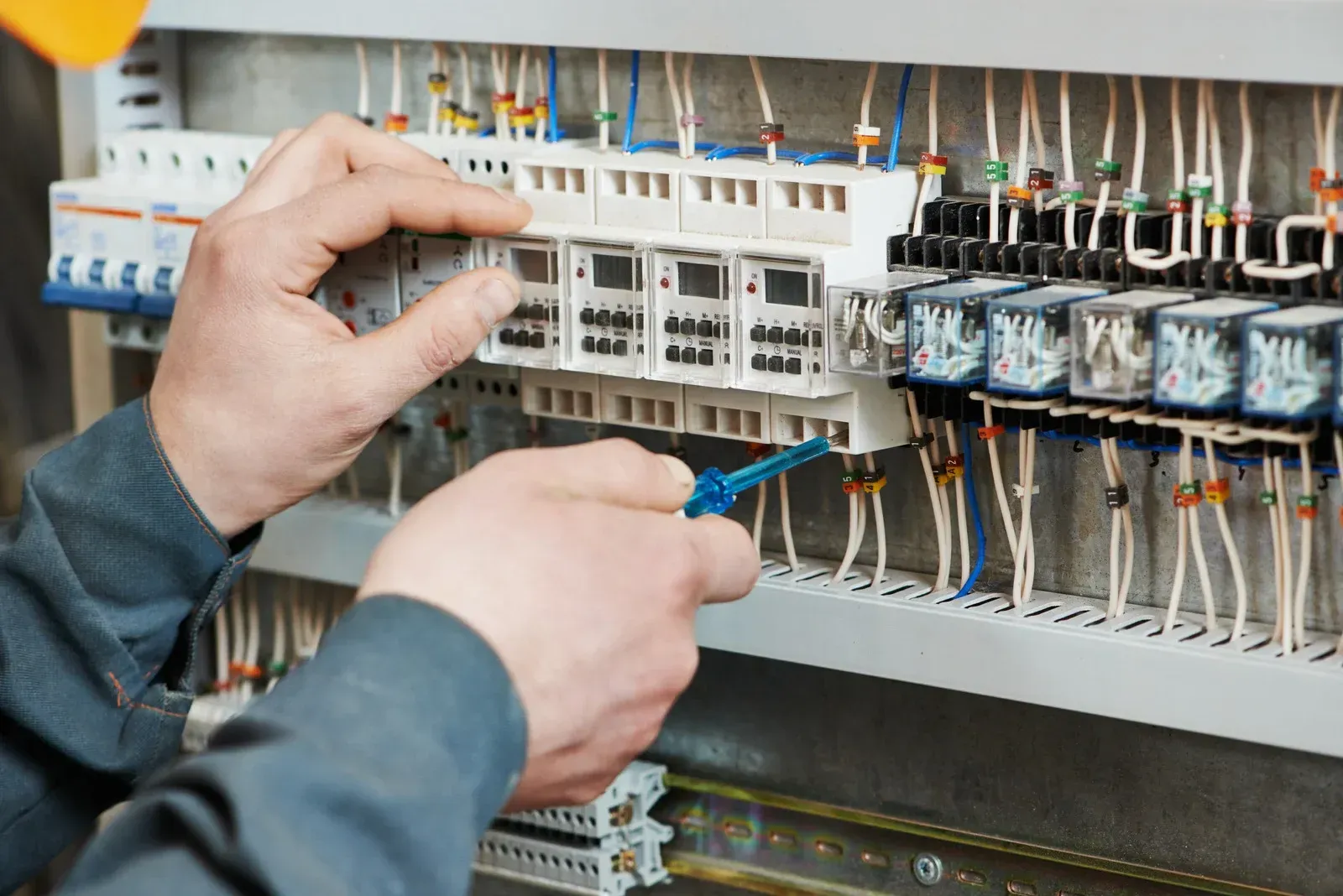
An electrical panel works quietly in the background until the day it stops keeping up, and many homeowners miss the warning signs. A panel rated for the loads of the 1970s now feeds a heat pump, a well pump, a clothes dryer, and a kitchen full of modern appliances all at once. When breakers warm up, buzz, or trip without an obvious cause, the panel sits too close to its limit, and heat inside a corroded panel can char insulation before anyone smells smoke. A licensed electrician in Glenburn, ME, knows how to read those signals, measure the load, and decide whether a panel needs cleaning, repair, or a full upgrade before a small fault grows into a fire.
That risk grows sharper in rural Maine, where winters run long and cold, and the load climbs right when the grid is most stressed. Ice storms snap limbs onto lines and cut power for hours or days, which is why so many households here ask about backup generators. Older farmhouses still run on undersized panels and decades-old wiring never built for electric heat, deep-well pumps, and the heavy draw a Maine winter demands. An experienced electrician in Glenburn plans for these patterns rather than reacting after a breaker fails.
We are KAPs Electrical, a company led by a licensed Master Electrician with 18+ years of hands-on experience. KAPs Electrical handles repairs, rewiring, panel upgrades, lighting, outlets, breakers, and generator sales for homes and businesses across the area. If your system feels strained or simply needs a careful look, we are glad to walk through your home and explain what we find.
About - Glenburn, ME
Glenburn is a small rural town in Penobscot County, sitting just north of Bangor in central Maine. The 2020 census counted 4,648 residents, a community spread across country roads, woodland, and open farmland rather than packed into a dense center. The town was incorporated in 1822 under the name Dutton. In 1837, residents adopted the name Glenburn, and the town has carried that name through nearly two centuries of growth from a farming settlement into a quiet residential area within easy reach of the city.
Today, the Glenburn School anchors the community and stands as the town's major institution and employer. The West Glenburn area remains a recognized part of the town, a feature that gives Glenburn its familiar rural character and sense of place.
Winter Risks Facing Glenburn Electrical Systems
Glenburn winters bring ice storms that drop branches onto power lines and leave neighborhoods dark for hours, and sometimes for several days. When the grid goes down in single-digit temperatures, a home loses heat, and a well pump loses the power that keeps water flowing. This is the condition that makes a backup generator essential here rather than optional, because a long outage in deep cold threatens frozen pipes and an unheated house.
The effect of going without one is costly, so the right move is planning for backup power before the first hard storm. Many older farmhouses here still run on a 100A service that was adequate decades ago but strains under today's electric heat, well pumps, and appliances. When a panel that size feeds heavy winter loads, breakers trip and connections overheat, and an upgrade to 200A service often becomes necessary to carry the demand safely.
Aging homes here also hide knob-and-tube or aluminum wiring, and damp basements and outbuildings invite moisture and grounding problems. These conditions raise shock and fire risk, so the wiring must be inspected and corrected by a professional who can verify proper grounding and bonding.
Warning Signs and What to Know Before You Upgrade
Your electrical system usually warns you before it fails, and the signs are easy to spot once you know them. Flickering lights, outlets that feel warm to the touch, breakers that trip again and again, a faint buzzing from a panel or switch, and scorch marks or a burning smell near an outlet all point to a real problem. Any one of these deserves a prompt look from a professional, because each one can mark a loose connection, an overloaded circuit, or failing insulation. Knowing when to upgrade matters, too. A 100A service struggles once you add electric heat, a heat pump, or an electric vehicle charger, and stepping up to 200A service gives a home the headroom it needs. On generators, a portable unit can run a few essentials through a short outage, while a standby generator wired to the home starts on its own and powers the whole house through the long outages that Maine ice storms produce.
Panels and wiring also have a working lifespan; many panels show their age past 25 to 40 years, and old methods, such as knob-and-tube, fall out of current code. A breaker that feels loose, a panel with a known recall history, or aluminum branch wiring all shorten that lifespan and raise the case for replacement. When you notice any of these signs, we are ready to inspect the system and explain your options.
Why Glenburn Residents Trust KAPs Electrical
We bring 18+ years of trade experience and the standing of a licensed Master Electrician to every job, and that background shapes how we work. Before we recommend a panel upgrade, we run a load calculation that adds up the real demand of your heating, appliances, and circuits rather than guessing, so the service we install actually fits the way your home draws power. We also pay close attention to the details that protect a house but stay out of sight.
Proper grounding and bonding give fault current a safe path back to the source so a breaker can clear a problem fast, and we verify that path on every job rather than assuming it works. That care is the difference between wiring that merely runs and wiring that keeps people safe. Our process is clear: we inspect, we measure, we explain what we find, and we do the work to code.
We install dependable breakers, panels, lighting, and generators, and we size each circuit and conductor to the real demand it will carry. We keep current with Maine and the National Electrical Code, so every system we touch meets the standard a safe home needs.
Hire Us! Electrician in Glenburn, ME
Here is a fact a licensed electrician lives by: on a 200A residential service, the main feeder and the neutral and grounding conductors must be sized together to the load and the panel. A panel is only as safe as the torque on its lug connections, since a loose lug builds heat and a hot spot over time.
We check those connections by hand because they decide whether a panel runs cool for decades. That kind of careful detail is the core of what we do as an electrician in Glenburn, ME, and it is the standard a Master Electrician holds on every job. If your panel, wiring, or generator needs attention, KAPs Electrical is glad to take a look and walk you through what we find.
Homeowners across Glenburn reach us for honest answers and careful work, and there is no pressure to decide on the spot. When you are ready for a licensed electrician serving Glenburn, we will gladly handle the next step.
Frequently Asked Questions
Should I upgrade my home's service from 100A to 200A?
Many Glenburn homes built before 1980 need a 200A service once you add electric heat, a heat pump, or an EV charger, because older panels strain badly under winter loads.
Do I need a generator for winter ice storms?
A standby generator pays off here, since Glenburn ice storms knock out power for several days, freezing pipes and stopping the well pumps many rural homes depend on for water.
How do I know if my old farmhouse has outdated wiring?
In homes older than 50 years, knob-and-tube or aluminum wiring is common across rural Glenburn, and we inspect the outlets, boxes, and the panel to confirm what wiring actually runs.
What are the warning signs that my panel is failing?
Watch for these five signs: flickering lights, warm outlets, repeated breaker trips, buzzing, and scorch marks, because each point to a loose connection or overload that we should inspect promptly.
How long does an electrical panel last?
Most panels last 25 to 40 years, and many older Glenburn farmhouses still run original panels past that age, which strain under the heavy electric heating loads our winters demand.
Is a portable or standby generator better for my home?
A portable generator covers a few essentials, while a standby unit powers the whole house automatically through the multi-day outages that Glenburn winters and ice storms bring to rural roads.
Why does grounding matter in my older home?
One grounding fault can energize metal in milliseconds, so proper grounding and bonding give that current a safe path, which matters in damp Glenburn basements where moisture raises shock risk.
Can you add outlets and lighting during a remodel?
Most remodels add three or more new circuits, so we install outlets, switches, and lighting throughout Glenburn, planning each one so a new kitchen or addition never overloads your panel.
Should I upgrade my home's service from 100A to 200A?
Many Glenburn homes built before 1980 need a 200A service once you add electric heat, a heat pump, or an EV charger, because older panels strain badly under winter loads.
Do I need a generator for winter ice storms?
A standby generator pays off here, since Glenburn ice storms knock out power for several days, freezing pipes and stopping the well pumps many rural homes depend on for water.
How do I know if my old farmhouse has outdated wiring?
In homes older than 50 years, knob-and-tube or aluminum wiring is common across rural Glenburn, and we inspect the outlets, boxes, and the panel to confirm what wiring actually runs.
What are the warning signs that my panel is failing?
Watch for these five signs: flickering lights, warm outlets, repeated breaker trips, buzzing, and scorch marks, because each point to a loose connection or overload that we should inspect promptly.
How long does an electrical panel last?
Most panels last 25 to 40 years, and many older Glenburn farmhouses still run original panels past that age, which strain under the heavy electric heating loads our winters demand.
Is a portable or standby generator better for my home?
A portable generator covers a few essentials, while a standby unit powers the whole house automatically through the multi-day outages that Glenburn winters and ice storms bring to rural roads.
Why does grounding matter in my older home?
One grounding fault can energize metal in milliseconds, so proper grounding and bonding give that current a safe path, which matters in damp Glenburn basements where moisture raises shock risk.
Can you add outlets and lighting during a remodel?
Most remodels add three or more new circuits, so we install outlets, switches, and lighting throughout Glenburn, planning each one so a new kitchen or addition never overloads your panel.
OR GIVE US A CALL
BENEFITS 1
Insert content
BENEFITS 2
Insert content
BENEFITS 3
Insert content